

Supporting Regulated Trapping is Supporting Responsible Wildlife Management
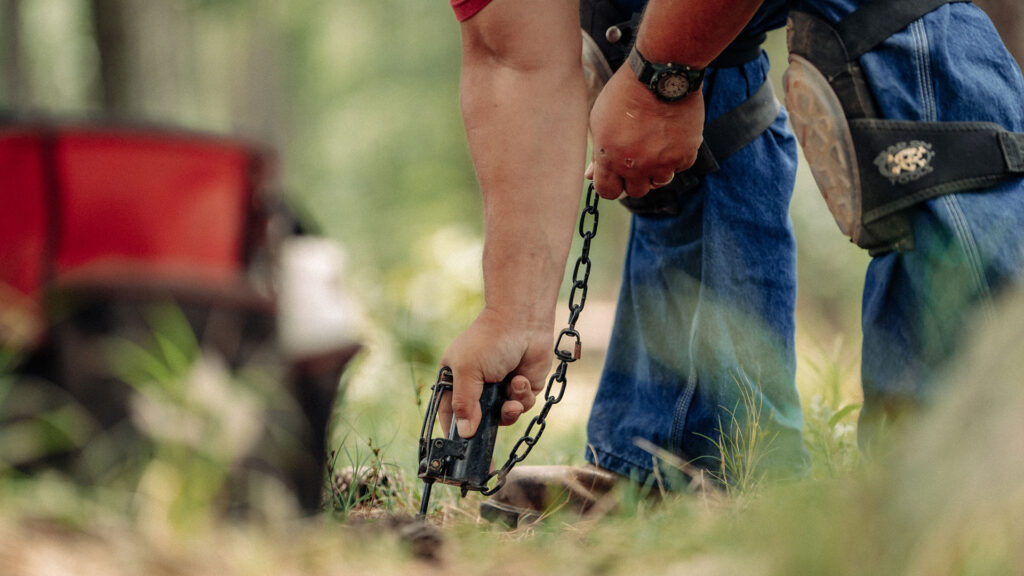 Modern trapping is grounded in science, carried out under law, and focused on keeping ecosystems healthy and communities safe. State, federal, and tribal wildlife agencies utilize trapping as a crucial tool, alongside habitat work, hunting seasons, research, and public education, to manage abundant furbearer populations and mitigate human-wildlife conflict.
Trapping is Heavily Regulated
Trapping is regulated by state laws, licenses, seasons, approved methods, and enforcement, and paired with required trapper education in most states. Additionally, it often requires special use permits with clear rules for where and how it can occur.
The modern standard is driven by continuous improvement. The Association of Fish and Wildlife Agencies (AFWA) Furbearer Management and Best Management Practices for Trapping evaluates trapping devices and techniques for humane performance, selectivity, safety, and practicality using standardized protocols (including ISO-based standards), with hundreds of trap types tested across dozens of furbearer species.
Why does this matter?
Because unmanaged “boom and bust” cycles, disease risk, property damage, and impacts to other wildlife don’t solve themselves, especially in a world where people and wildlife share more space than ever. Regulated trapping keeps a balance between people and wildlife, reduces property damage, and supports broader conservation goals.
Trapping Supports R3
 Trapping also plays an important role in Recruitment, Retention, Reactivation (R3) efforts by recruiting new participants to the outdoors and reactivating experienced hunters looking to expand their skills. As one of the most hands-on and knowledge-driven outdoor pursuits, trapping teaches participants to closely observe wildlife behavior, understand habitat use, and interpret sign, travel routes, and food sources. These foundational skills translate directly to becoming more effective, ethical hunters.
Because trapping seasons often differ from traditional hunting seasons, it provides additional entry points throughout the year for individuals curious about conservation and wildlife management. For new participants, it offers a structured, education-based pathway into the outdoors that emphasizes responsibility, patience, and stewardship. The core values that strengthen long-term engagement in hunting, fishing, and conservation activities.
The Council to Advance Hunting and the Shooting Sports cares deeply about wildlife, habitat, and the real-world needs of rural and suburban communities alike. Because of this, we stand firmly behind regulated trapping and efforts to keep improving it through science-based standards, education, and accountability.
Learn More
- U.S. Fish & Wildlife Service (https://partnerwithapayer.org/regulated-trapping)
- Association of Fish and Wildlife Agencies (https://www.fishwildlife.org/afwa-inspires/furbearer-management)
- National Trappers Association (https://www.nationaltrappers.com)
- Fur Takers of America (https://www.furtakersofamerica.com)
 massmonopoly
 R3 PRACTITIONER’S GUIDE